These issues arise because the disruption in dopamine regulation can create an imbalance that affects emotional stability and overall psychological well-being. Alcohol use disorder (AUD) or chronic alcohol use can significantly impact brain functions, including the hormones that regulate moods, serotonin, and dopamine. When people use alcohol regularly, the substance creates pleasure instead of does alcohol increase dopamine dopamine, and the brain starts relying on it.
The Impact of Chronic Alcohol Use on Dopamine Production and Regulation
- Part of the reason why people with an AUD continue to drink, regardless of the personal and social consequences, is the way it affects the brain.
- Researchers have shown that brains that have been injured by addiction can “unlearn” addictive behaviors, while the danger of addiction never goes away completely.
- Getting enough sleep, exercising, listening to music, meditating, and spending time in the sun can all boost dopamine levels.
This is where the addiction cycle begins, as individuals start to rely on alcohol to generate dopamine release, and without it, they experience withdrawal symptoms. Alcohol has been shown to increase dopamine levels in the nucleus accumbens, a part of the brain that is involved in motivation and reinforcement. This increase in dopamine release may contribute to the rewarding effects of alcohol and may play a role in promoting alcohol consumption.
Long-term effects on dopamine receptors and tolerance

It includes the 36 very best ways to increase dopamine levels in your brain. Dopamine then initiates the signaling responsible for activating certain areas of the brain responsible for pleasure. When the two connect, that’s when we get https://ecosoberhouse.com/ power, or in this case, when our brain receives the signal that something is pleasurable. Acamprosate inhibits the NMDA receptor, while Topiramate acts as an antagonist of excitatory glutamate receptors, reducing alcohol cravings and symptoms of depression and anxiety. Several studies have found that alcohol stimulates the activity of dopamine-releasing neurons, enhancing dopamine-mediated signal transmission in the NAc.
Health Conditions
Some brains are more sensitive to alcohol’s dopamine release, making those individuals more vulnerable to addiction. Recognizing this variability is key in understanding personalized risk factors. The brain’s dopamine system is designed to signal the potential value of stimuli, essentially telling us what’s worth our heroin addiction effort.
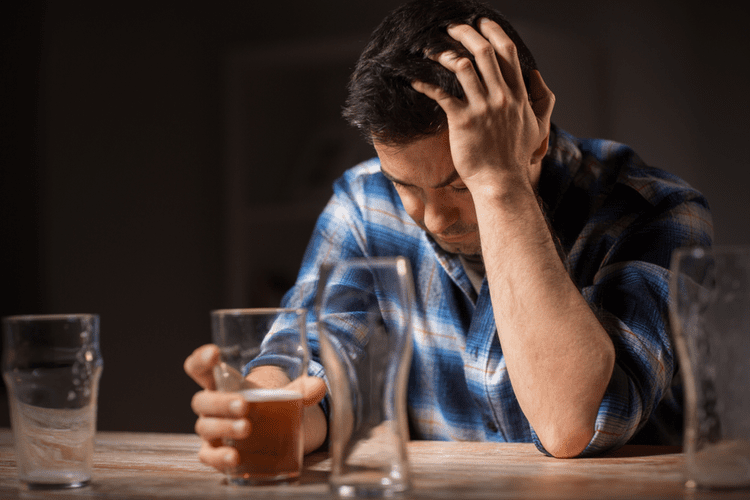
However, excessive alcohol intake can lead to severe drowsiness, impaired judgment, and slowed reaction times. In conclusion, alcohol may briefly boost mood through short-term spikes in serotonin, dopamine, and endorphins. However, research clearly demonstrates that chronic heavy drinking depletes these happy hormones and promotes neurotransmitter imbalances linked to low mood, poor motivation, and depression. While an occasional glass of wine with dinner may have limited effects, regular drinking to intoxication predicts long-term mood instability and diminished life satisfaction. For those with depression or at risk for substance abuse, avoiding alcohol is strongly advised.
Dopamine Production and Distribution in the Brain
This is a list of some of the better research neurotransmitter systems with which alcohol interacts making it doubly lethal to your brain’s functionality. Not having enough dopamine can negatively affect your mood, focus, coordination, motivation, and enthusiasm for things that normally bring you joy. In extremely rare cases, a child may develop dopamine deficiency syndrome, a progressive movement disorder. However, it’s still unclear whether these dopamine-boosting effects happen only in experienced meditators or occur in people who are new to meditation as well. Furthermore, as a result, people who meditate regularly have been found to be more open to feedback than people who don’t.